TL;DR
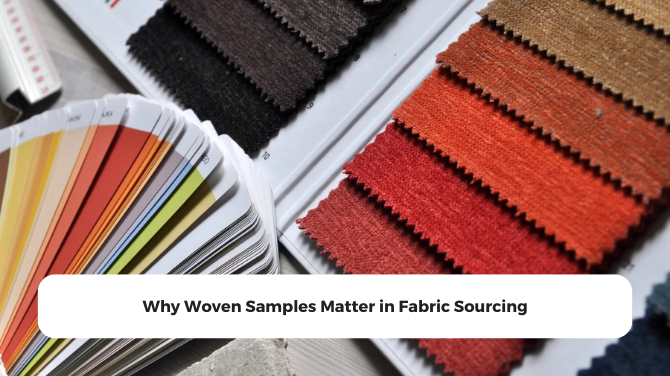
A woven sample is the foundation of successful apparel production. It allows buyers to evaluate fabric construction, performance, and consistency before bulk production begins. Reliable exporters like Dinesh Exports treat woven sampling as a technical development stage rather than a simple formality.
Why woven samples are critical in apparel sourcing
Before any fabric moves into bulk production, the process usually begins with a woven sample. This sample allows buyers to evaluate whether the fabric will perform as expected in garment production.
Without proper sample evaluation, buyers risk facing issues later such as:
– Unexpected shrinkage
– Fabric weight variation
– Color inconsistencies
– Poor garment drape
– Performance issues during washing
For buyers who are new to woven fabrics, understanding the basic fabric construction also plays an important role. Our guide to woven fabrics explains how weave structures influence fabric behavior and garment performance.
When buyers evaluate woven samples carefully, they reduce risks during production.
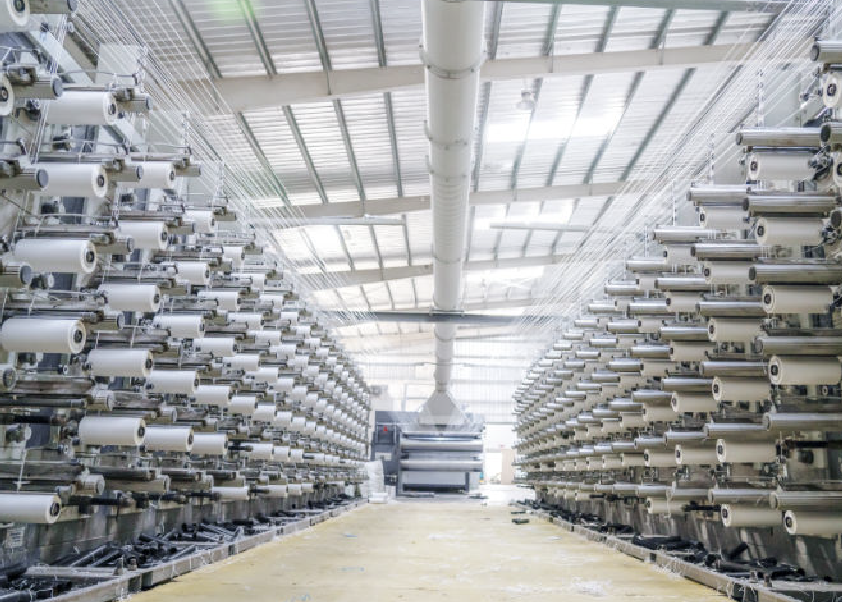
What exactly is a woven sample?
A woven sample is a small piece of fabric produced before bulk manufacturing begins. It represents the final fabric construction that will be used for production.
The sample usually reflects:
– Yarn count
– Fabric construction
– Weave pattern
– Dyeing method
– Fabric finish
– GSM and width
What buyers evaluate when reviewing woven samples
When buyers receive a woven sample, they evaluate multiple technical factors including fabric construction, fabric weight, shrinkage behavior, dye performance, and finishing treatments.
Dye compatibility with fibres also plays a role. Our article on selecting dyes by fibre content explains how fibre type influences dye behavior.
Common problems buyers face with woven samples
Buyers often encounter issues such as:
– Sample fabric does not match bulk production
– Incorrect yarn count used in sampling
– Different finishing applied during bulk
– Fabric shrinkage not tested before submission
– Shade mismatch between sample and bulk
These issues create delays and often force buyers to repeat the development process.
Why Dinesh Exports treats woven sampling differently
Our woven sampling process includes:
– Detailed review of buyer specifications
– Yarn sourcing verification
– Greige fabric inspection
– Lab dip approval before dyeing
– Shrinkage and wash testing
– Internal quality approval before sample dispatch
The connection between woven samples and accurate costing
Fabric construction directly influences production cost. Buyers who understand fabric consumption can estimate garment cost more accurately. Our guide on fabric calculation for apparel explains how consumption planning works during garment costing.
Woven samples also support production planning
Sampling also supports production scheduling. Understanding production efficiency plays a role in planning factory timelines. Our article on garment SAM calculation explains how production time affects factory planning.
Sustainability considerations in woven sampling
Sustainable fabrics are becoming more important in global markets. For example, natural fibres like hemp are gaining attention as environmentally responsible alternatives. Our article on hemp fabrics explains how these materials are influencing textile sourcing.
<iframe width=”560″ height=”315″ Check Yarn Dyed Cotton Woven Fabric (Item Code:FAB1425) title=”YouTube video player” frameborder=”0″ allow=”accelerometer; autoplay; clipboard-write; encrypted-media; gyroscope; picture-in-picture; web-share” referrerpolicy=”strict-origin-when-cross-origin” allowfullscreen></iframe>
Final thoughts
A woven sample is far more than a small piece of fabric. It is the technical foundation of the entire apparel sourcing process. Exporters who treat sampling with discipline deliver better consistency in bulk production. At Dinesh Exports, woven sampling is treated as a structured development process designed to support long term sourcing success. If you are looking for woven samples for your next garment designs to develop into a collection, please contact us.
Frequently Asked Questions About Woven Samples
What is a woven sample in textile production?
A woven sample is basically a small piece of fabric that is developed before bulk production starts. Buyers use it to check whether the fabric looks and behaves the way they expect. It gives them a chance to review things like fabric construction, weight, color and finishing before the order moves into full production.
Why do buyers ask for woven samples?
Most buyers prefer to see and test a woven sample before approving fabric for production. It helps them understand how the fabric actually feels and performs. Things like shrinkage, GSM, weave structure and dye results can all be checked at this stage, which helps avoid problems later.
What details should a woven sample represent?
Ideally, the woven sample should be as close as possible to the final fabric that will be produced in bulk. That means it should reflect:
- The correct yarn count and fibre composition
- The actual fabric construction or weave pattern
- The expected fabric weight or GSM
- The dyeing method and color shade
- Any finishing applied to the fabric
If the sample represents the final fabric properly, buyers can approve production with much more confidence.
How long does it usually take to develop a woven sample?
The time can vary depending on the fabric construction and dyeing process, but in many cases it takes somewhere between one to three weeks. If the fabric is more complex or requires special finishing, it may take a little longer.
What happens if the woven sample is not accurate?
If the woven sample does not match the fabric that gets produced later, buyers can face several issues. Sometimes the shrinkage behaves differently, or the fabric weight changes slightly. In other cases, the shade may look different once the bulk fabric is dyed.
When this happens, the development process often has to start again, which can delay production timelines.